TETmedical Receives FDA Breakthrough Device Designation for NSE-FAST®, the First Rapid Test Designed to Aid in the Diagnosis of Acute Ischemic Stroke

 | Source: TETmedical, Inc.

FAIR HAVEN, N.J. and ITHACA, N.Y., June 22, 2026 (GLOBE NEWSWIRE) — TETmedical, Inc., a clinical stage medical diagnostics company developing rapid tools for diagnosing acute neurological injury based on its patented Tethered Enzyme Technology (TET), today announced that the U.S. Food and Drug Administration (FDA) has granted Breakthrough Device Designation to its NSE-FAST® (Neuron Specific Enolase — Functional Activity Stroke Test), a rapid in vitro diagnostic assay intended to aid in the diagnosis of acute ischemic stroke.

The designation was issued by the FDA’s Center for Devices and Radiological Health (CDRH), Division of Immunology and Hematology Devices.

Stroke remains one of the leading causes of death and a major cause of long-term disability in the United States. Each year, approximately 840,000 Americans suffer an acute stroke, of which roughly 87 percent are ischemic, resulting from obstruction of blood flow to the brain.

An estimated 2.3 million patients present annually to emergency departments with neurological symptoms suggestive of stroke. While CT scans are highly effective at identifying hemorrhagic strokes, they frequently fail to detect acute ischemic strokes. A recent published study1 reported that stroke is the number one clinical condition associated with serious misdiagnosis-related harms with an average of 17 percent of strokes missed.

NSE-FAST® is a rapid, enzyme-based luminescence assay that measures the functional enzymatic activity of Neuron Specific Enolase (NSE) in a patient’s blood plasma. The test is intended for use with other available clinical information to aid in the diagnosis of acute ischemic stroke in adult patients. The NSE-FAST® utilizes TETmedical’s patented Tethered Enzyme Technology to rapidly measure NSE functional activity as a biomarker for acute ischemic stroke.

The FDA Breakthrough Devices Program is intended to accelerate the development and review of medical devices that may provide for more effective diagnosis or treatment of life-threatening or irreversibly debilitating diseases or conditions where no approved alternatives exist. The designation provides TETmedical with prioritized access to FDA experts, enhanced opportunities for interactions with the agency, and the potential to efficiently align with clinical and regulatory requirements throughout the development process.

FDA Breakthrough Device Designation may also position NSE-FAST® for consideration under emerging FDA-CMS initiatives designed to reduce the time between FDA authorization and Medicare coverage decisions for eligible technologies. The program is known as Regulatory Alignment for Predictable and Immediate Device (RAPID) coverage pathway. Inclusion in such programs requires additional criteria and is not guaranteed.

“This designation represents an important recognition of NSE-FAST® and its potential to address one of medicine’s most significant unmet diagnostic needs,” said Dr. David Fischell, Co-Founder and Chief Executive Officer of TETmedical.

“Acute ischemic stroke remains the leading missed diagnosis causing serious harm in emergency medicine. We are gratified that the FDA has recognized the potential of the NSE-FAST® to help address this longstanding challenge. We are fortunate that the NSE-FAST® needs but a single additional small tube of blood collected under IRB approvals with a waiver of patient informed consent. We look forward to working closely with the agency as we advance the NSE-FAST® through our pivotal study toward our goal of bringing the first rapid blood test for ischemic stroke to patients and physicians.”

TETmedical plans to initiate a multi-center pivotal study in the fourth quarter of 2026.

Subject to timely initiation of the study, TETmedical anticipates completing patient enrollment in the second half of 2027 and submitting its marketing application to the FDA by the fourth quarter of 2027.

Breakthrough Device Designation does not alter the statutory standards for marketing authorization under Section 510(k), 513(f)(2) or 515(c) of the Federal Food, Drug, and Cosmetic Act, and does not guarantee that a device will ultimately receive FDA authorization or clearance for marketing.

About TETmedical, Inc.

TETmedical is a medical diagnostics company focused on developing rapid, near-patient in vitro diagnostic tools for acute neurological injury. The Company’s lead product, NSE-FAST®, is designed to measure the functional enzymatic activity of Neuron Specific Enolase in plasma as an aid in the diagnosis of acute ischemic stroke.

NSE-FAST® represents the lead program arising from TETmedical’s patented Tethered Enzyme Technology platform, which the Company believes may have broader applications for diagnosis of acute neurological injury and other disease states.

On June 15, 2026, the FDA granted NSE-FAST® Breakthrough Device Designation. TETmedical plans to initiate its multi-center pivotal study in the fourth quarter of 2026.

For more information, please visit www.tetmedical.com.

Forward-Looking Statements

This press release contains forward-looking statements within the meaning of applicable securities laws. Forward-looking statements include, among others, the Company’s plans to initiate a multi-center pivotal study in the fourth quarter of 2026, anticipated completion of patient enrollment in the second half of 2027, planned submission of its marketing application to the FDA by the fourth quarter of 2027, and the potential eligibility for future FDA-CMS initiative known as RAPID. Waived Patient Informed Consent while allowed under IRB approvals in the past are not guaranteed to continue for future clinical studies.

These statements are based on management’s current expectations and assumptions and are subject to a number of risks and uncertainties, including the Company’s ability to initiate and complete clinical studies on anticipated timelines, obtain required regulatory authorizations, secure adequate financing and satisfy criteria for any future reimbursement initiatives.

The FDA Breakthrough Device Designation does not guarantee that NSE-FAST® will ultimately receive FDA authorization, clearance, Medicare coverage, or commercial success. Actual results may differ materially from those expressed or implied in these forward-looking statements. TETmedical undertakes no obligation to update forward-looking statements, except as required by applicable law.

For Further Information, Please Contact:

Dr. David Fischell | Co-Founder & Chief Executive Officer
Email: drfischell@tetmedical.com
Website: www.tetmedical.com

Keywords

#Stroke #Ischemic Stroke #Hemorrhagic Stroke #Brain Injury #Neuron Specific Enolase #Posterior Circulation #Anterior Circulation #Neurological Impairment #Cerebral Imaging #Breakthrough Technology

1 Newman-Toker, D., et al., Comparative Effectiveness Review: Diagnostic Errors in the Emergency Department – A Systematic Review. 2022, Agency for Healthcare Research and Quality (AHRQ). p. 1-128.


TETmedical Press Release

Kanvas Biosciences raises $48 million to advance microbiome cancer therapies

LinkedInFacebookTwitterEmail

Kanvas Biosciences is taking a major step forward in microbiome therapeutics with the announcement of $48 million in Series A funding, which will support a clinical trial later this year for the company’s lead cancer immunotherapy treatment. 

The startup, whose foundational technology emerged from research at Cornell University, is also advancing additional therapies targeting inflammation and malnutrition-related gut disease. 

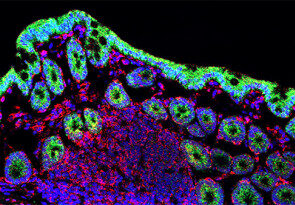
Kanvas was founded by Cornell Ph.D. student Hao Shi, professor Iwijn De Vlaminck, and medical microbiologist Matt Cheng after the team developed HiPR-FISH, a breakthrough imaging platform capable of mapping the gut microbiome in unprecedented detail. The technology, which the team licensed through Cornell’s Center for Technology Licensing, allows researchers to identify not only which microbes are present in the gut, but exactly where they live and how they interact with human cells and one another. 

“I began my career as a physician and always dreamed of being able to develop new drugs that could help the patients I hadn’t been able to treat with existing therapies,” said Matthew Cheng, co-founder and CEO of Kanvas Biosciences. “Most physicians never get the opportunity to realize this dream, so it’s an incredible privilege to bring Kanvas’ technology to the broader live biotherapeutic product market.” 

Kanvas’ full-stack technology platform is designed to sharpen the focus of microbiome drug discovery by combining advanced spatial mapping with integrated manufacturing capabilities. The company’s discovery engine allows researchers to visualize the complex interactions between the microbiome and its host in unprecedented detail, offering new insight into a critical biological system that has historically been difficult to fully understand. 

Those insights are now being transformed into live biotherapeutics, pills containing dozens of living microbial strains designed to restore balance in the gut and improve immune response. Kanvas’ lead therapy is based on roughly 50 strains of bacteria isolated from a 76-year-old stage 4 colorectal cancer patient who experienced a complete recovery after treatment with Keytruda, an immunotherapy drug. 

The company hopes its treatment will improve the success of cancer immunotherapy, which currently works for only a small percentage of patients. Kanvas is also advancing therapies aimed at reducing colon inflammation caused by immunotherapy and treating environmental enteric dysfunction, a severe malnutrition-related condition affecting millions of children worldwide. That global health initiative is being developed in partnership with the Gates Foundation. 

The funding round was co-led by DCVC and Lions Capital, with participation from more than a dozen other investors. Investors see Kanvas as one of the few microbiome startups positioned to overcome the scientific and manufacturing hurdles that have stalled the field in recent years.  

“I thought this was the microbiome company that could realize the promise of the microbiome by solving all the problems that previous microbiome companies have not solved,” said Jason Pontin, General Partner at DCVC. 

Kanvas was previously a client of Cornell’s Center for Life Science Ventures and graduated from the incubator in 2022. 

Cornell Chronicle Post

REEgen and RETRN Bio to establish local manufacturing space

Two members of Cornell’s on-campus business incubators will soon expand their businesses in Ithaca, creating local jobs and building capacity for future startups to grow in the region. 

REEgen, a Cornell spinout that engineers bacteria to extract rare earth elements from industrial waste, and RETRN Bio, a startup that upcycles agricultural waste into bioplastics, will both scale up at a new development on Ithaca’s South Hill. 

The development, SouthWorks, was recently awarded $38 million from New York’s Regional Economic Development Council to transform the former Morse Chain Factory site into a mixed-use, adaptive reuse project. The development will include an innovation hub to retain startups in advanced manufacturing, biotechnology and agtech. 

REEgen and RETRN collaborated with the SouthWorks team to devise a plan for the establishment of a new biomanufacturing pre-commercialization facility and the purchase of scale-up testing equipment for fermentation technologies.  

The 17,000 square foot facility addresses a shortage of sufficient, affordable manufacturing space for startups in the Southern Tier. Startups often outgrow the limited space provided by incubators before they are ready to move to standalone manufacturing or lab facilities. SouthWorks aims to provide the bridge resources needed to keep startups in the region as they grow. 

“One of the biggest challenges for commercializing clean tech solutions is accessing the capital equipment needed to test scale-up,” said Alexa Schmitz, co-founder and CEO of REEgen. “Southworks’ planned facilities for regional startups will be an ideal fit for this unique challenge, allowing REEgen and other startups at our stage to access the critical infrastructure needed to develop and accelerate scale-up efforts.” 

As a SouthWorks tenant, REEgen plans to hire 30 additional FTEs for its business, marketing, and R&D teams in the next five years, while RETRN Bio expects to grow from its current 6 FTEs to a team of 20 or more in that time.  

Beyond new hires, the new space will also indirectly support jobs across the economy. Both startups expect to hire local contractors, specialized service providers and lab support personnel during the growth phase, and they will need machinists to customize or refurbish the scale-up equipment, and specialists to help service and maintain equipment.  

The collaboration between REEgen and RETRN and SouthWorks sets the stage for future pilot capacity in other spaces, such as clean room space, materials science characterization and pressure chemistry for new materials development. Ultimately, SouthWorks aims provide 70,000 SF of technology development and advanced manufacturing space in key industries like materials science, waste processing, batteries, building materials, energy systems, agriculture, artificial intelligence and semiconductors.  


Cornell Chronicle Post

Startup bets their superfast microbe can rewrite biotech 

Startup bets their superfast microbe can rewrite biotech 

LinkedIn Facebook Twitter Email

When scientists talk about velocity, they don’t usually mean bacteria. But for a small Cornell spinout called Forage Evolution, speed is everything.

The company, founded by three Cornell alumni – Bryce Brownfield, Ph.D. ’23; David Specht, Ph.D. ’21; and Cameron Kitzinger ‘22 – is betting their modified version of one of the fastest-growing microbes on Earth can upend how biologists interact with living systems. Its recent acceptance into Cornell’s Center for Life Science Ventures, the university’s incubator for promising biotech startups, marks its official leap from the lab bench into the commercial world.

Cornell impacting New York State

“We’re starting to digitize the bio side of biotech by giving the fastest-growing organism on the planet a molecular Ethernet port for DNA.” Brownfield said.

Forage Evolution’s core innovation centers on Vibrio natriegens, a saltwater bacterium that divides roughly every 10 minutes under the right conditions – about twice as fast as E. coli, the microbial workhorse of modern biology. What makes their V. natriegens remarkable, according to Brownfield, isn’t just speed. It’s the way it takes up DNA from its environment, transforming itself without the expensive equipment or hands-on processing in a biotech lab that’s typically needed.

In a recent paper in the journal PNAS Nexus, Specht demonstrated that by engineering V. natriegens to express a gene known as tfoX – a master regulator borrowed from Vibrio cholerae – they could create a strain capable of performing “natural transformation” in a single, simple step.

In lay terms, the bacterium becomes biologically competent: able to absorb DNA directly from its surroundings and incorporate it into its own genetic code, all while growing in a minimal salt-and-acetate medium.

“This makes it incredibly easy to engineer DNA in a microbe,” Specht said. “This allows people who are not traditional biologists to do real, serious DNA manipulating. And if it becomes easier to do these processes, it’s easier to automate and scale these.”

That process historically takes hours of precise temperature shifts, specialized equipment and significant human oversight spread over several days. The Forage Evolution team’s approach, by contrast, can occur entirely at room temperature with no capital equipment. It’s plug-and-play synthetic biology, according to Brownfield, the method requiring 80% less hands-on time and potentially producing results within a single workday.

The implications are broad. Because the cells can maintain their ability to transform for prolonged periods at room temperature, the process could open the door to low-cost, large-scale and even automated systems for “directed evolution” – the iterative tweaking of genetic sequences to develop new enzymes, materials or chemicals. That kind of work has long been the purview of institutions with expensive infrastructure. Forage Evolution’s system, by contrast, could make high-throughput genetic engineering accessible to smaller labs, educational institutions and developing-world research centers.

“Democratizing biotechnology” has become something of a cliché, but Forage Evolution’s approach gives the phrase technical substance. The team’s method eliminates the need for centrifuges, heat baths and costly electroporators. Instead, the microbe performs its own transformation under physiological conditions, using acetate – a simple, low-energy carbon source that can be derived from electrochemical conversion of carbon dioxide. That makes the system not just faster and cheaper, but potentially more sustainable.

Forage Evolution taps into this magical marine bacterium and develops a simple and efficient way to insert DNA, making it a powerful alternative to E. coli,” said Ying Yang, the CLSV’s director.  “This is a potentially game-changing approach with many impactful applications such as automated synthetic biology platforms, low-cost biotech education kits and sustainable biomanufacturing.”

Acceptance into the incubator gives the young company access to Cornell’s laboratory infrastructure, investor networks and mentorship from biotech veterans. The center, which has helped launch several successful life-science firms, focuses on shepherding university research with commercial promise through the critical early stages of development.

“The incubator gives us lab space, and this would be impossible without that,” Brownfield said. “And they’ve connected us with a lot of impactful mentors, with people on the business development and the legal side. The access to experienced leadership is great. One of the senior executives-in-residence, Bill Rhodes, has a background with products like ours.”

Forage Evolution has a plasmid cloning kit coming out in the next few weeks, Brownfield said. For now, he said, the startup’s focus is on building a suite of tools for other scientists and companies that want to use V. natriegens as a biological “chassis.” The bacterium’s unusual metabolic flexibility allows it to grow on diverse substrates, even nonsterile seawater, making it attractive for biomanufacturing platforms that aim to minimize cost and resource inputs.

In the long run, Forage Evolution envisions using the microbe for producing sustainable bioplastics, biofuels and specialty chemicals.

Cornell Chronical Post

Ithaca startup aims to free diabetes patients from daily burden

The Center for Life Science Ventures (CLSV) has admitted a promising biotech startup company with deep roots at Cornell.

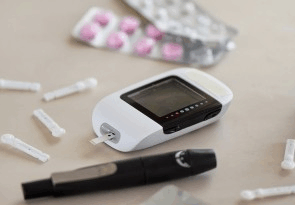
Persista Bio is pushing toward a goal that has tantalized scientists for decades: treating Type 1 diabetes – which affects 9 million people worldwide – without daily injections, pumps or immune-suppressing medicines.

If Persista’s technology works in humans, the implications would be profound: an implant that restores insulin production without triggering immune rejection or requiring immunosuppressant drugs. That could dramatically reduce the risk of side effects, improve normal quality of life and lower costs over time, the researchers said.

Persista Bio was co-founded by Linda Tempelman, Ph.D. ’93 and Minglin Ma, professor of biological and environmental engineering in the College of Agriculture and Life Sciences, whose lab developed the foundational encapsulation technology. Dr. Tempelman and her team at Giner Life Sciences developed the enabling oxygenation technology. The two teams got together in 2021 to combine the technologies and have published the resulting work. 

Founded in 2023, Persista Bio is still in the preclinical stage, but it has already made strides that suggest it could be one of the most important players in encapsulated cell therapy, according to Ying Yang, the interim CLSV’s director. Its lead technology, the O2Line™ platform, combines two powerful ideas: protected encapsulation of insulin-producing cells and continuous oxygenation to keep those cells alive and functional for the long term.

“I am proud to see the progress here from research in the lab to a potentially life-changing therapy,” Yang said. “With other technologies, maybe the cells are functional, but the delivery system isn’t – that’s the bottleneck. Persista’s approach offers a promising way to address the delivery challenges. This technology has the potential to really make a difference.”

Type 1 diabetes patients currently must rely on insulin injections or pump systems and constantly monitor blood sugar. Even with those tools, long-term complications – kidney disease, vision loss, cardiovascular damage – remain a serious risk.

According to Tempelman, the core challenge in cell therapy for diseases like type 1 diabetes is that while scientists can establish insulin-secreting cells in the lab from stem cells, keeping them alive once implanted is difficult. The encapsulation that protects them from immune rejection also deprives them of oxygenation; the wrong capsule material tends to cause scar tissue. Both responses degrade the cells’ function.

Persista’s O2Line system addresses both. It uses a nanofibrous capsule designed to protect the implanted cells from immune rejection while allowing nutrients and insulin to cross the capsule barrier freely. The system also includes an implantable electrochemical oxygen generator licensed from Giner, Inc., which supplies oxygen directly to densely packed cells. In a study published in August in Nature Communications, the Persista team reported that their system reversed diabetes in rats without requiring immunosuppression.

“What we’re doing is encapsulating the cells with a membrane that has special properties so the body doesn’t reject the cells,” Tempelman said. “This means you won’t need immune suppression—that is a huge advantage over the approaches taken by other companies. That opens up this treatment to the vast majority of people with T1D. In our system, these oxygenated stem cells sense glucose and put out the right amount of insulin acting like a normal pancreas.”

Persista Bio is licensing its technology from Cornell and Giner Labs. Tempelman previously commercialized a transdermal sensor technology at Giner and holds eight U.S. patents. Ma has spent over a decade studying cell encapsulation. Another co-founder, James Flanders, emeritus associate professor at the College of Veterinary Medicine, brings experience in large-animal studies relevant to how devices behave in living bodies.

Persista Bio recently secured two grants from the National Institutes of Health (NIH). One of them, a $2.1 million Direct-to-Phase II Small Business Innovation Research (SBIR) grant from the National Institute of Diabetes and Digestive and Kidney Diseases, will support scale-up to large animal models, validation of the device in minipigs and work on manufacturing under good manufacturing practices (GMP) standards.

“The Direct-to-Phase II grant is to prove proof of concept in large animals,” Tempelman said. “As part of the incubator, the team will be onsite in Ithaca, and we will perform preclinical testing at the College of Veterinary Medicine. That’s a prime opportunity. With the other grant, Persista will move toward commercial manufacturing of the capsule with a specialized grant that includes Ying Yang as a mentor to new entrepreneurs and principal investigator Beum Jun Kim Ph.D. ’04, vice president of engineering at Persista.” 

According to Tempelman, the O2Line platform could apply to other diseases where cell therapies are constrained by oxygen or fibrosis, such as metabolic disorders, enzyme deficiencies, inflammatory diseases or chronic pain.

Over the next two years, Persista Bio aims to complete large-animal model studies, build its human system prototype and move toward clinical trials. Successful trials would not only validate the technology but could also help the company partner with larger biopharma or device companies, potentially licensing the system or collaborating to bring it to market in diabetes treatment and beyond.

Cornell Chronicle Post